Forecast for Next Week: Short-Term Support Insufficient, Ferrous Metals May Still Hit Bottom
This week, ferrous metals first stabilized then weakened. On Tuesday, the National Housing and Urban-Rural Development Work Conference concluded, proposing to focus on stabilizing the real estate market in 2026 by implementing city-specific policies to control incremental supply, destock, and optimize supply. However, no incremental policies were announced. Funds mostly took profits after prices rose rapidly, and there were few macro disturbances in the market during the week. Fundamentals remained at a neutral off-season level, with futures largely stable. Approaching the weekend, futures saw a technical pullback. In the spot market, north China currently faces constraints on construction due to persistently low temperatures, leading to weak market procurement activity. Coupled with relatively small price fluctuations, overall sentiment was cautious, with traders slightly reducing prices to promote transactions.
In the short term, according to SMM survey tracking, the daily average hot metal output decreased by 4,600 mt WoW this week, basically nearing the bottom. Hot metal output is expected to steadily increase by January, but short-term support from the raw material side remains hardly optimistic, with expectations for a fourth round of coke price cuts still in place. For steel products, the inventory of the five major steel products continued its destocking pace this week. However, demand is unlikely to exceed expectations during the off-season, and as temperatures drop further, demand in the north will further decrease. Overall, ferrous metals currently lack significant drivers and may experience another pullback to seek a bottom in the short term, but the downside space is relatively limited, with the overall market still fluctuating rangebound. Subsequent attention should be paid to the pace of production resumptions and restocking of raw materials.
Iron Ore: Weak Fundamentals Difficult to Change, Rebound Opportunity Possible in January
This week, iron ore prices showed a pattern of retreating after a rapid rise. Fundamentally, port arrivals held steady WoW and remained high, indicating sustained supply pressure. On the demand side, affected by environmental protection-driven production restrictions in Hebei, blast furnace maintenance at steel mills remained high, and hot metal production decreased slightly by 4,600 mt WoW. Due to high ore prices, steel mills' purchase willingness was generally cautious, and the accumulation of port inventories expanded somewhat. Overall fundamentals continued to suppress prices. Approaching year-end, positive news from the real estate and infrastructure sectors improved market sentiment, also providing support for the bottom of ore prices. For port spot cargoes, the weekly average price of PB fines at Shandong ports increased by 8 yuan/mt WoW.
Looking ahead to next week, overseas shipments are expected to decline significantly due to the Christmas holiday, but port arrivals will remain high. On the demand side, hot metal output is already in a low range. Recently, with consecutive declines in coke prices, steel mill profits have recovered somewhat, and the enthusiasm for blast furnace production resumptions is gradually increasing. Steel mills are expected to gradually resume production after the New Year's Day holiday, leading to a marginal improvement in iron ore demand and stronger price support. However, steel demand in the north is still weakening, and blast furnace production resumptions may intensify inventory pressure on finished steel products at mills, subsequently putting pressure on finished steel prices. Overall, it is expected that iron ore prices will continue to fluctuate rangebound next week. Entering January, with the rebound in hot metal production and the gradual start of winter stockpiling ahead of the Chinese New Year, ore prices are expected to see opportunities for a rebound.
Coke: Prices may remain under pressure next week, and a fourth round of price cuts cannot be ruled out for coke.
In terms of supply, the impact of environmental protection inspections has weakened, and some coke enterprises have increased their production enthusiasm. However, most coke enterprises are incurring losses, limiting the potential for supply increases. Downstream demand has not been released, leading to continued accumulation of coke inventories at some coke enterprises. On the demand side, the performance of finished steel consumption has been poor, and steel mills are under pressure to maintain profitability, adopting a just-in-time procurement strategy for coke and showing general enthusiasm for restocking. Additionally, with steel mills' coke inventories within a reasonable range, the pace of coke procurement has slowed down. Regarding the fundamentals of raw materials, a coal mine accident occurred in Yunnan, leading to temporary production shutdowns and rectifications at local coal mines, exacerbating the tight supply situation for coking coal. However, the proportion of failed online auctions remains relatively high recently, and there are still expectations for price cuts in coking coal, although prices for some high-quality skeletal coal types remain firm. In summary, the supply-demand situation in the coke market remains relatively loose, and coke prices may continue to be under pressure next week, with the possibility of a fourth round of price cuts not being ruled out.
Steel Scrap: The tug-of-war between sellers and buyers persists, with short-term prices expected to fluctuate rangebound.
On the supply side, steel scrap prices fluctuated this week, with merchants showing general enthusiasm for selling. The circulation of high-quality materials was tight, with some resources concentrated in large steel mills, while deliveries to small and medium-sized steel mills were relatively poor. On the demand side, due to the decline in finished steel prices, steel enterprises adopted a cautious and conservative attitude towards steel scrap procurement, showing weak restocking enthusiasm and primarily focusing on rigid demand-based restocking, strictly controlling raw material inventory scales to reduce cost risks. Overall, the apparent demand for finished steel in winter remains sluggish, lacking upward momentum for steel scrap prices, and the tug-of-war between supply and demand persists. Therefore, it is expected that short-term steel scrap prices will continue to fluctuate rangebound, with no significant unilateral market trends.
Rebar: Market transactions return to fundamentals, with short-term steel prices lacking upward momentum.
This week, rebar prices fluctuated downward, with the current nationwide average price at 3,171 yuan/mt, down 10 yuan/mt WoW. On the supply side, the profitability of blast furnace steel mills has improved, with some steel mills in east and north China making slight profits. Previously suspended rolling lines have resumed production, leading to a slight increase in rebar production. Recently, EAF steel mills have continued to operate profitably, with operating hours slightly increasing and operating rates continuing to rise slightly, albeit with relatively small growth. On the demand side, at month-end and year-end, state-owned enterprises and medium-to-large traders have primarily focused on collecting receivables and reducing liabilities, with fewer active deliveries. Secondly, due to weather factors, demand in the northern market has declined significantly, while southern merchants have reported a sharp deterioration in demand since Tuesday. Additionally, winter stockpiling of steel has not yet started, leading to low speculative demand. Inventory side, total inventory continued to decline, but the pace of decrease narrowed further. Considering the New Year's Day holiday next week, inventory might see a slight increase during the market closure, but after the holiday, as normal shipments resume, inventory is expected to decline again before mid-to-late January. It is understood that Hangzhou inventory decreased rapidly recently, due to reduced arrivals as some east China steel mills had not resumed production after previous maintenance, and improved prices in surrounding markets diverted external resources. Looking ahead, in the short-term macro policy vacuum period, market trading will return to fundamentals. Currently, steel mills are profitable, so production is expected to gradually recover. However, considering recent factors such as enterprise repayments and debt reduction, which will continue to affect market demand performance, steel prices lack upward momentum. Spot prices are expected to be in the doldrums next week.
Hot-Rolled Coil: Frequent Export News, Prices Expected to Be in the Doldrums Next Week
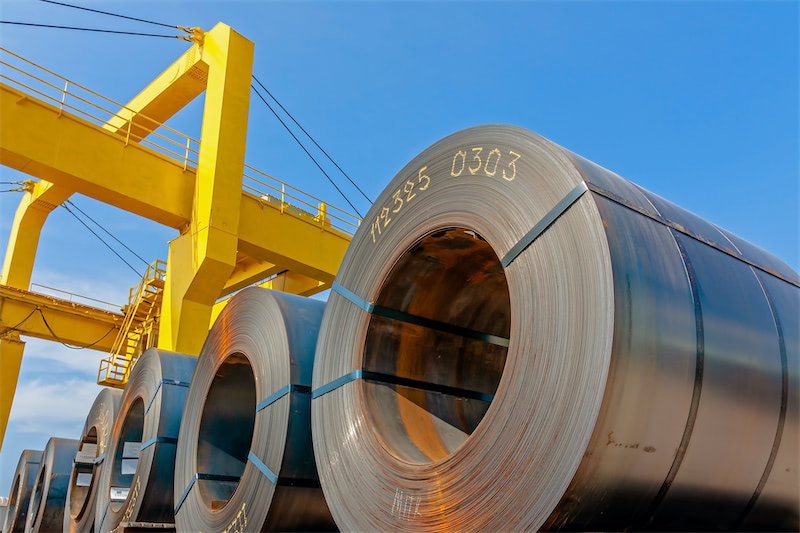
This week, hot-rolled coil prices moved rangebound, with the weekly spot price down 10-20 yuan/mt. Trading performance was relatively average. Market news during the week still revolved around export license issues; some ports have issued notices requiring that for steel vessels unable to depart before 00:00 on January 1 or currently being loaded, an export license must be provided, and different ports have varying document requirements for customs declaration. According to an SMM survey, some cargo is already congested at ports, and the overall pace of port departures is expected to be delayed. Additionally, with Christmas during the week, export offers and order-taking were sluggish, and external demand was weak. Reviewing domestic supply-demand balance, hot-rolled coil production fluctuated rangebound, while domestic demand continued to weaken seasonally. Looking ahead, demand is difficult to boost in the short term and is expected to remain weak. At the same time, as maintenance plans for hot-rolling decrease, supply pressure has room to increase. Therefore, overall, hot-rolled coil prices are expected to be in the doldrums next week, with the most-traded contract fluctuating in the range of 3,200-3,280.
1. For data involved in the report, please visit the SMM database (
2. For more SMM steel information, analysis reports, databases, etc., please contact Li Ping from the SMM Steel Department at 021-51595782.
*The views in this report are based on information collected by the market and comprehensive evaluation by the SMM research team. The information provided in the report is for reference only, and investors bear their own risks. This report does not constitute direct investment research advice. Clients should make decisions cautiously and not use this report to replace their independent judgment. Any decisions made by clients are unrelated to SMM. Furthermore, SMM is not responsible for any losses or liabilities resulting from unauthorized or illegal use of the views in this report.
SMM reserves the right to modify and provide the final interpretation of the terms of this statement.
![[SMM Daily Hot-Rolled Coil Trading] Spot Trading Continued to Fluctuate](https://imgqn.smm.cn/usercenter/rBCZR20251217171716.jpg)